
As we age, it’s natural to notice loose facial skin, sagging cheeks, jowls, and a double chin. While surgical facelifts have long been considered the gold standard, many people now prefer treatments that offer visible results without surgery, stitches, scars, or long recovery periods.
One of the most advanced innovations in aesthetic medicine is the Endolift Facelift, also known as Endolaser Treatment. This cutting-edge procedure uses 1470 nm and 980 nm Dual Wavelength Diode Laser Technology to tighten skin, stimulate collagen production, and reduce unwanted facial fat—all with minimal downtime.
In this guide, you’ll learn how Endolift works, its benefits, treatment areas, procedure steps, and answers to the most frequently asked questions.
What is Endolift Facelift?
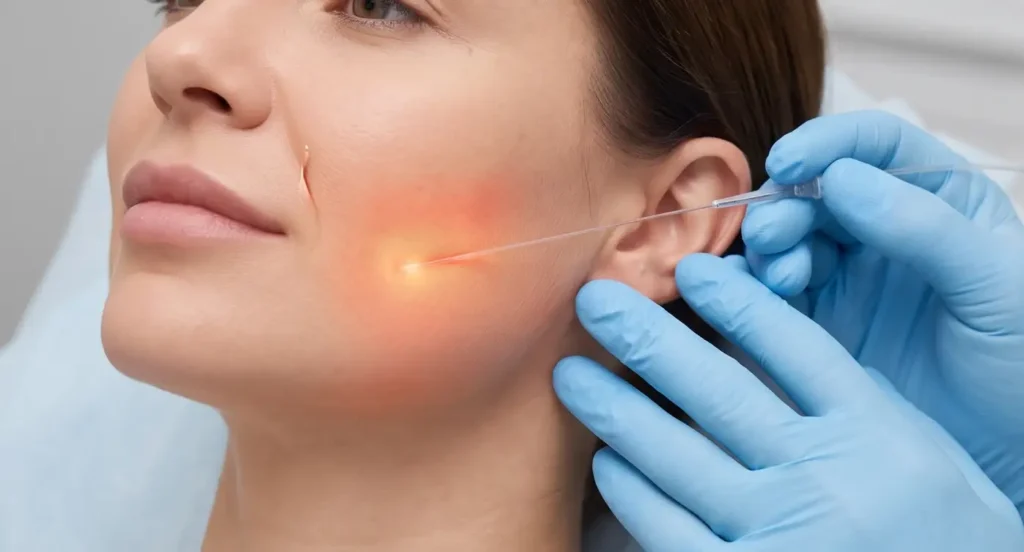
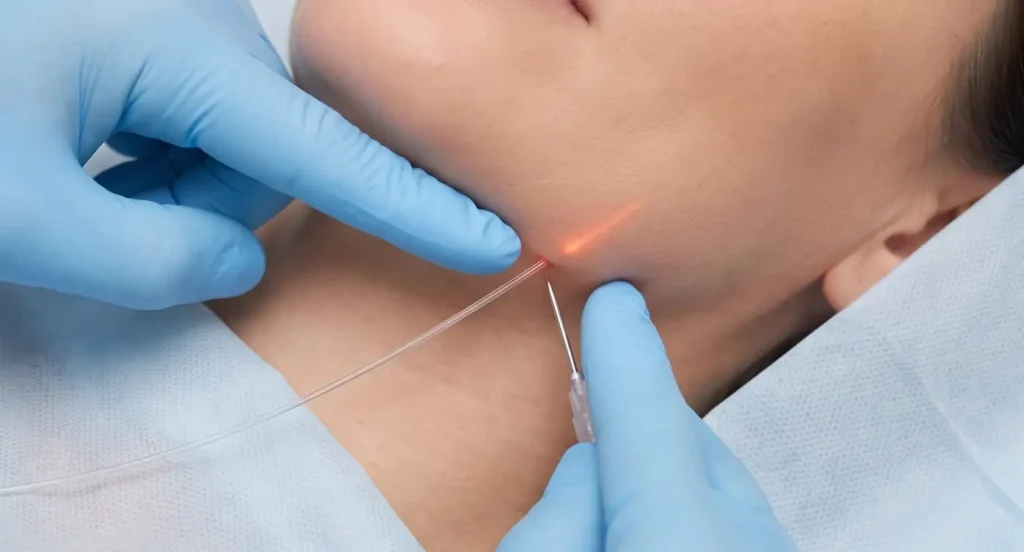
Endolift Facelift is a minimally invasive laser skin tightening treatment that rejuvenates the face from within. Instead of making surgical cuts, a hair-thin micro-optical fiber (200–300 microns) is gently inserted beneath the skin to deliver precise laser energy.
The treatment simultaneously:
- Tightens loose skin
- Stimulates new collagen production
- Melts stubborn fat
- Improves facial contours
- Creates a sharper jawline
Unlike traditional facelift surgery, Endolift requires only local anesthesia, leaving no visible scars and allowing patients to return to normal activities quickly.
How Does the 1470 nm & 980 nm Dual Wavelength Laser Work?
1470 nm Laser – Skin Tightening & Collagen Stimulation
The 1470 nm wavelength has a high affinity for water within the skin.
It works by:
- Heating the dermal layer
- Contracting existing collagen fibers
- Stimulating new collagen production (Neocollagenesis)
- Improving skin elasticity
- Delivering immediate skin tightening
As collagen continues to rebuild over the next few months, the skin becomes firmer, smoother, and more youthful.
980 nm Laser – Fat Reduction & Hemostasis
The 980 nm wavelength specifically targets:
- Fat cells (lipids)
- Small blood vessels (hemoglobin)
This helps:
- Melt excess fat beneath the chin
- Reduce jowls
- Define the jawline
- Minimize bleeding and bruising
- Speed up recovery
The combination of 1470 nm and 980 nm laser technology makes Endolift one of the most effective non-surgical facelift treatments available today.
Treatment Areas
Endolift can effectively treat multiple facial and neck concerns.
Double Chin Removal
Reduces stubborn submental fat while tightening the overlying skin for a slimmer profile.
Jawline Contouring
Creates a sharper, more defined jawline by tightening loose tissues and reducing fat.
Jowls
Improves sagging along the lower face for a youthful facial contour.
Nasolabial Folds
Softens smile lines caused by age-related volume loss and skin laxity.
Neck Tightening
Improves loose, crepey neck skin and restores a firmer appearance.
Cheeks
Lifts sagging cheeks while improving overall facial definition.
Step-by-Step Endolift Procedure
Step 1: Consultation & Facial Assessment (15–20 Minutes)
Your doctor carefully examines:
- Skin laxity
- Fat distribution
- Facial anatomy
- Treatment goals
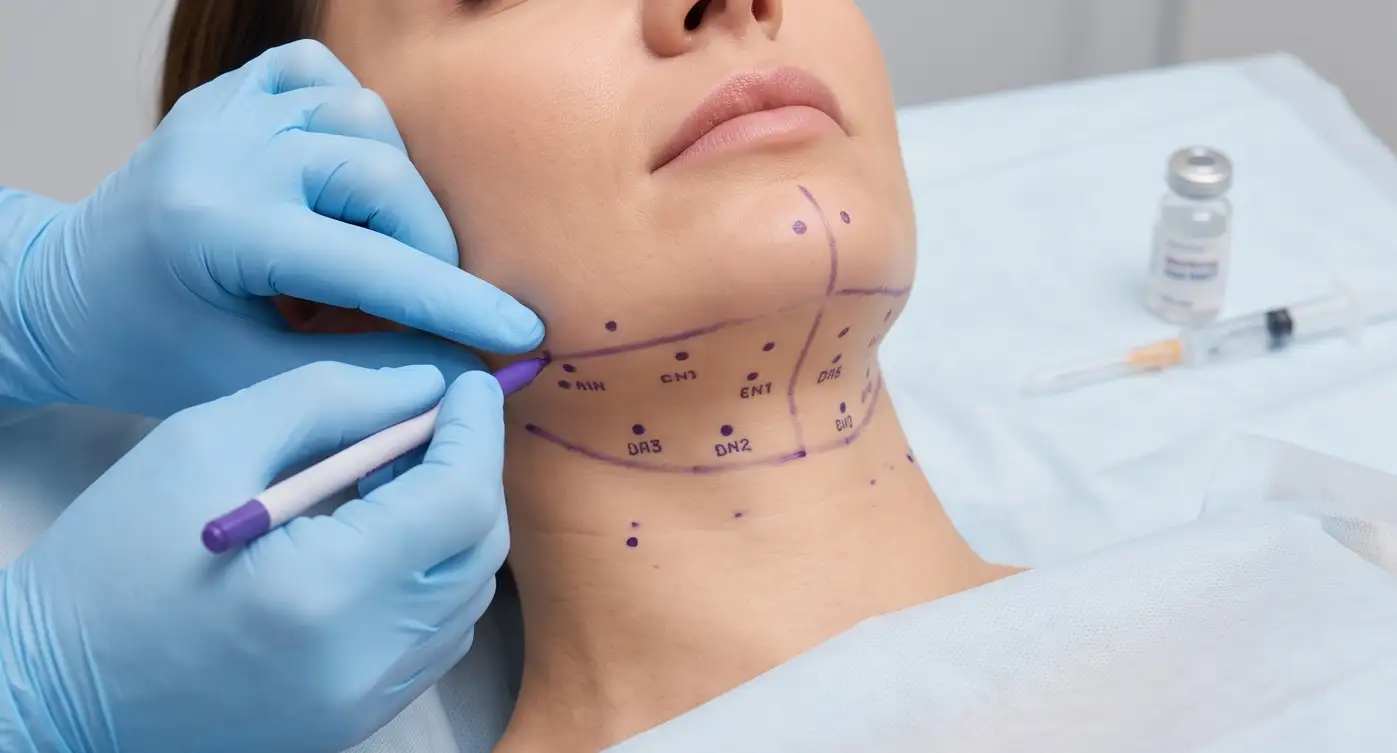
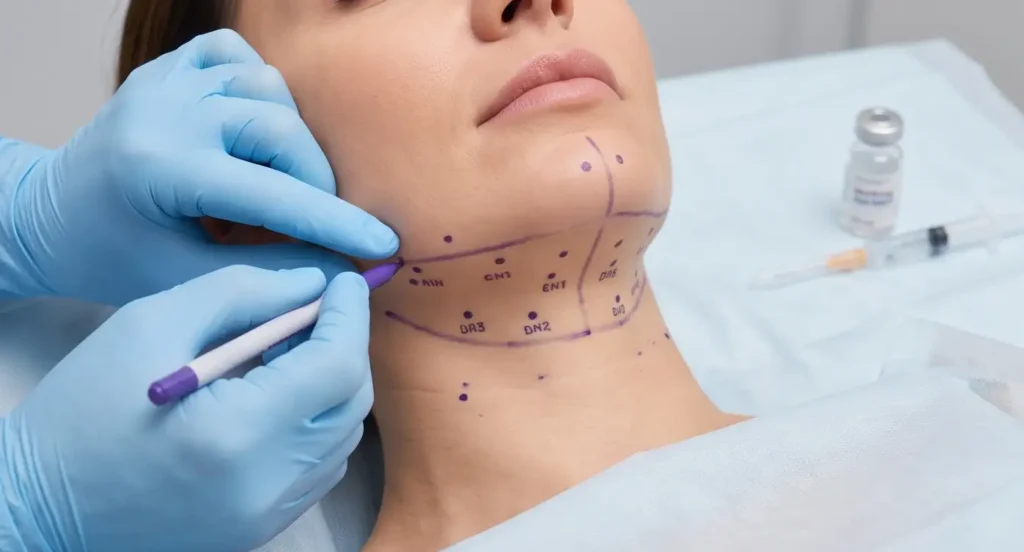
The treatment areas are then precisely marked.
Step 2: Local Anesthesia (10–15 Minutes)
A local anesthetic is administered to numb the treatment area.
Since general anesthesia is not required, patients remain awake and comfortable throughout the procedure.
Step 3: Laser Energy Delivery (30–45 Minutes)
A hair-thin optical fiber is inserted beneath the skin.
The 1470 nm and 980 nm lasers work together to:
- Tighten skin
- Melt localized fat
- Stimulate collagen
- Improve facial contours
Patients typically feel only mild warmth or slight pressure during treatment.
Step 4: Cooling & Discharge (15 Minutes)
After treatment:
- Cooling gel is applied
- A compression band may be placed
- Patients can return home the same day
No hospitalization is needed.
| Feature | Endolift Facelift | Surgical Facelift |
|---|---|---|
| Procedure | Minimally Invasive | Major Surgery |
| Incisions | No | Yes |
| Anesthesia | Local | General |
| Downtime | 24–48 Hours | 2–4 Weeks |
| Scarring | No Visible Scars | Permanent Surgical Scars |
| Recovery | Quick | Longer Recovery |
| Pain | Minimal | Moderate to High |
| Results | Natural-Looking Lift | More Dramatic Lift |
Benefits of Endolift Facelift
- Non-surgical facial rejuvenation
- No stitches or incisions
- No visible scars
- Minimal discomfort
- Quick recovery
- Immediate skin tightening
- Long-term collagen stimulation
- Double chin reduction
- Improved jawline definition
- Natural-looking facial lift
- Minimal downtime
- Same-day discharge
- Long-lasting results
Who is an Ideal Candidate?
Endolift is suitable for individuals who have:
- Mild to moderate skin laxity
- Double chin
- Sagging jawline
- Loose neck skin
- Early signs of aging
- Mild facial fat accumulation
Patients seeking facial rejuvenation without surgery often benefit the most from this treatment.
Frequently Asked Questions
Is Endolift painful?
No.
Local anesthesia keeps the treatment area numb. Most patients only experience mild warmth or pressure during the procedure.
When will I see the results?
Some skin tightening is noticeable immediately after treatment.
The best results develop gradually over 2–3 months as collagen production increases.
How long do the results last?
Results generally last 2–3 years, depending on:
- Age
- Skin quality
- Lifestyle
- Sun exposure
- Skincare routine
Maintaining a healthy lifestyle can help prolong the outcome.
How much downtime is required?
Most patients resume normal daily activities or office work within 24–48 hours.
Mild swelling or redness typically resolves within a few days.
How many sessions are needed?
Most patients achieve excellent improvement with just one session.
For advanced skin laxity, your doctor may recommend a touch-up treatment after 6–12 months.
Post-Treatment Care
For optimal healing and results:
- Wear the recommended compression garment for 3–5 days.
- Avoid direct sun exposure for at least two weeks.
- Stay well hydrated.
- Avoid strenuous exercise for 48 hours.
- Follow your doctor’s skincare instructions.
- Attend follow-up appointments as advised.